WHAT IS BILPREVDA? BILPREVDA is a prescription medicine used to: Prevent serious bone problems in patients with multiple myeloma and in patients with bone metastases from solid tumors. Serious bone problems are defined as broken bones (fracture), pressure on the spinal cord (spinal cord compression), or the need for radiation or surgery to the bone.
IMPORTANT SAFETY INFORMATION
What is the most important information I should know about BILPREVDA? Do not take BILPREVDA if you take BILDYOS (denosumab). BILPREVDA contains the same medicine as BILDYOS. Do not take BILPREVDA if you have low blood calcium (hypocalcemia). Your low blood calcium must be treated before you receive BILPREVDA. BILPREVDA can significantly lower the calcium levels in your blood and some deaths have been reported. Take calcium and vitamin D as advised by your doctor, as hypocalcemia can be life-threatening. Tell your doctor right away if you experience spasms, twitches, cramps, or stiffness in your muscles or numbness or tingling in your fingers, toes, or around your mouth.
WHAT IS BILPREVDA?
BILPREVDA is a prescription medicine used to:
Prevent serious bone problems in patients with multiple myeloma and in patients with bone metastases from solid tumors. Serious bone problems are defined as broken bones (fracture), pressure on the spinal cord (spinal cord compression), or the need for radiation or surgery to the bone.
Treat adults and adolescents whose bones have finished growing with giant cell tumor of bone that cannot be removed or where removal is likely to result in severe morbidity.
Treat high levels of calcium in the blood due to cancer, when standard treatments have not worked.
BILPREVDA is not chemotherapy or other treatment for your cancer.
IMPORTANT SAFETY INFORMATION
What is the most important information I should know about BILPREVDA? Do not take BILPREVDA if you take BILDYOS (denosumab). BILPREVDA contains the same medicine as BILDYOS. Do not take BILPREVDA if you have low blood calcium (hypocalcemia). Your low blood calcium must be treated before you receive BILPREVDA. BILPREVDA can significantly lower the calcium levels in your blood and some deaths have been reported. Take calcium and vitamin D as advised by your doctor, as hypocalcemia can be life-threatening. Tell your doctor right away if you experience spasms, twitches, cramps, or stiffness in your muscles or numbness or tingling in your fingers, toes, or around your mouth.
WHEN YOUR BONES ARE AT RISK, WE GOT YOUR BACK
BILPREVDA is a biosimilar to XGEVA (denosumab) that is as safe and effective as XGEVA. If you have cancer (breast, prostate, or other types of solid tumors) that has spread to the bone, or multiple myeloma, BILPREVDA may help to prevent serious bone problems, such as bone breaks, compression on the spinal cord, or the need for radiation or surgery to bone.
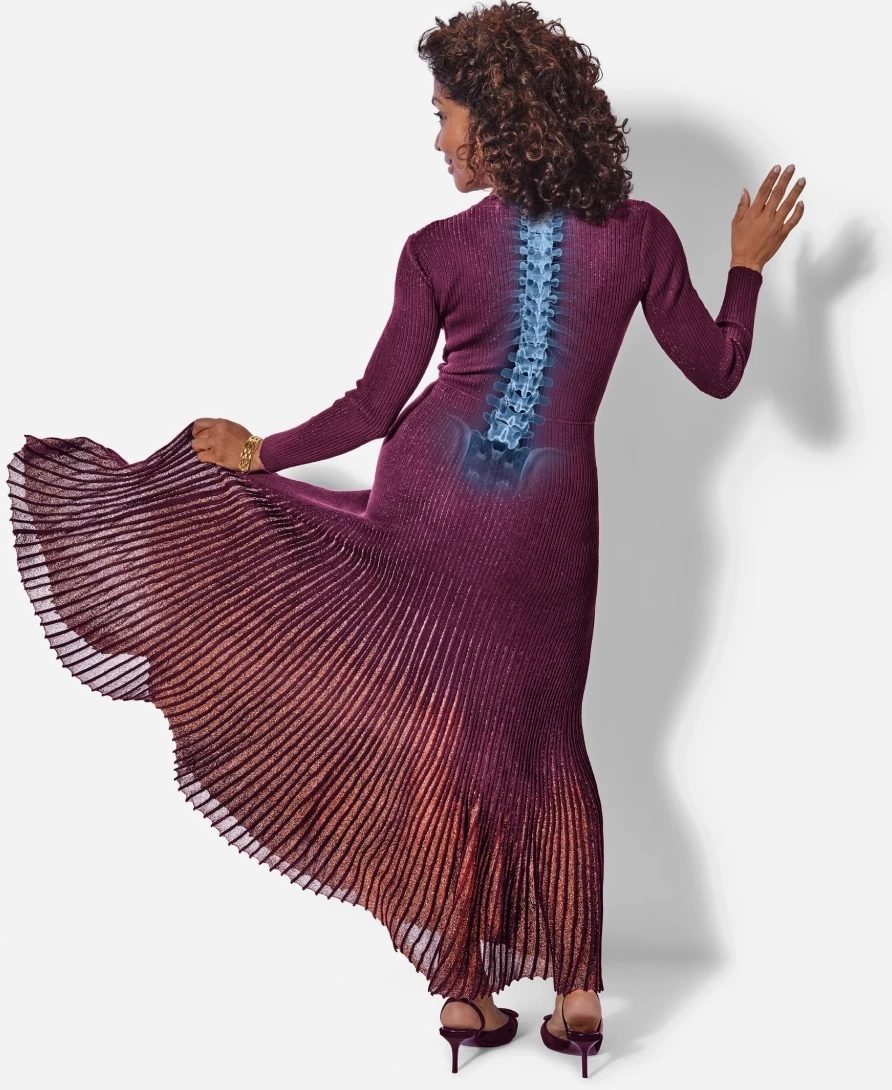
Computer-generated X-ray depiction of spine represents one of the common sites of bone metastases.
Computer-generated X-ray depiction of spine represents one of the common sites of bone metastases.
BILPREVDA is a biosimilar to XGEVA (denosumab) that is as safe and effective as XGEVA. If you have cancer (breast, prostate, or other types of solid tumors) that has spread to the bone, or multiple myeloma, BILPREVDA may help to prevent serious bone problems, such as bone breaks, compression on the spinal cord, or the need for radiation or surgery to bone.
Affordability and support
Looking for cost savings? Organon may be able to help you get access to BILPREVDA or find coverage information.*
Cost savings may be available for eligible patients.
WHAT IS BILPREVDA?
BILPREVDA is a prescription medicine used to:
Prevent serious bone problems in patients with multiple myeloma and in patients with bone metastases from solid tumors. Serious bone problems are defined as broken bones (fracture), pressure on the spinal cord (spinal cord compression), or the need for radiation or surgery to the bone.
Treat adults and adolescents whose bones have finished growing with giant cell tumor of bone that cannot be removed or where removal is likely to result in severe morbidity.
Treat high levels of calcium in the blood due to cancer, when standard treatments have not worked.
BILPREVDA is not chemotherapy or other treatment for your cancer.
IMPORTANT SAFETY INFORMATION
What is the most important information I should know about BILPREVDA?
Do not take BILPREVDA if you take BILDYOS (denosumab). BILPREVDA contains the same medicine as BILDYOS.
Do not take BILPREVDA if you have low blood calcium (hypocalcemia). Your low blood calcium must be treated before you receive BILPREVDA. BILPREVDA can significantly lower the calcium levels in your blood and some deaths have been reported. Take calcium and vitamin D as advised by your doctor, as hypocalcemia can be life-threatening. Tell your doctor right away if you experience spasms, twitches, cramps, or stiffness in your muscles or numbness or tingling in your fingers, toes, or around your mouth.
Do not take BILPREVDA if you are allergic to denosumab or any of the ingredients of BILPREVDA. Serious allergic reactions have happened in people who take BILPREVDA. Call your doctor or go to your nearest emergency room right away if you have any symptoms of a serious allergic reaction, including low blood pressure (hypotension); trouble breathing; throat tightness; swelling of the face, lips, or tongue; rash; itching; or hives.
Severe jaw bone problems (osteonecrosis) Severe jaw bone problems may happen when you take BILPREVDA. Your doctor should examine your mouth before you start, and while you are taking BILPREVDA. Tell your dentist that you are taking BILPREVDA. It is important for you to practice good mouth care during treatment. In studies of patients who have cancer with bone involvement, the rate of severe jaw problems was higher the longer they were being treated.
Call your doctor if you have any of these symptoms:
Loose teeth
Toothache
Ulceration of the gums
Jaw pain
Infection of the gums or jaw
Soft tissue swelling and redness
Slow healing after dental work
Unusual thigh bone fracture Unusual thigh bone fractures have been reported. Symptoms of a fracture include new or unusual pain in your hip, groin, or thigh.
Risk of high calcium levels in patients with giant cell tumor of bone (GCTB) and in patients who are still growing Patients with a type of cancer called GCTB and patients with bones that are not fully matured are at a greater risk to develop high blood calcium levels after they stop taking BILPREVDA, which can be serious.
Increased risk of broken bones in the spine after discontinuing BILPREVDA After your treatment with BILPREVDA is stopped, your risk for breaking bones in your spine can increase, especially if you have a history of risk factors, such as osteoporosis or prior fractures. Be sure to discuss your potential risk for broken bones in the spine before you stop taking BILPREVDA.
Possible harm to your unborn baby You should not become pregnant while taking BILPREVDA. Tell your doctor right away if you are pregnant, plan to become pregnant, or suspect you are pregnant. BILPREVDA can harm your unborn baby.
What should I tell my doctor BEFORE starting BILPREVDA?
Tell your doctor about all of your medical conditions, including if you:
Are taking a denosumab product because it contains the same medicine as BILPREVDA
Have symptoms of low blood calcium, such as muscle stiffness or cramps
Have symptoms of severe jaw bone problems, such as pain or numbness
Have ongoing pain or slow healing after dental surgery
Have symptoms of high blood calcium, such as nausea, vomiting, headache, and decreased alertness
Are pregnant, plan to become pregnant, suspect you are pregnant, or are breastfeeding
What should I do while taking BILPREVDA?
Tell your doctor about all medications you are taking. Your doctor needs to know if you are taking other medications that also lower blood calcium levels.
Take good care of your teeth and gums and visit a dentist as recommended.
Tell your dentist that you are taking BILPREVDA.
Tell your doctor if you plan to have dental surgery or teeth removed.
Talk to your doctor before you stop taking BILPREVDA about your risk for broken bones in your spine.
Women of childbearing age should use highly effective contraception while taking BILPREVDA and for at least 5 months after the last dose of BILPREVDA.
What are the possible side effects of BILPREVDA?
In patients with bone metastasis from solid tumors, the most common side effects were tiredness/weakness, low phosphate levels in the blood, and nausea. The most common serious side effect was shortness of breath.
In patients with multiple myeloma, the most common side effects were diarrhea, nausea, low red blood cells, low blood platelets and calcium levels, back pain, swelling of the lower legs or hands, upper respiratory tract infection, rash, and headache. The most common serious side effect was pneumonia.
In patients with GCTB, the most common side effects were joint pain; headache; nausea; back pain; tiredness; and pain in the arms, legs, hands, or feet.
In patients with elevated levels of calcium, the most common side effects were nausea, shortness of breath, decreased appetite, headache, swelling in the lower limbs, anemia, constipation, and diarrhea.
BILPREVDA should be administered by a health care provider. BILPREVDA is intended for subcutaneous route only and should not be administered intravenously, intramuscularly, or intradermally.
This is the most important information to know about BILPREVDA. For more information, talk to your health care provider.
You are encouraged to report negative side effects of prescription drugs to the FDA. Visit or call 1-800-FDA-1088.
Please read the Physician Prescribing Information for BILPREVDA and discuss it with your doctor.