

BILPREVDA is administered the same way as XGEVA (denosumab)
For multiple myeloma and bone metastases from solid tumors:
For giant cell tumor of bone or high calcium levels in the blood caused by cancer: 1 injection administered every 4 weeks, with an additional 120 mg dose on Days 8 and 15 of the first month of treatment.
Computer-generated X-ray depiction of humerus represents one
of the common sites of bone metastases.

BILPREVDA is intended for subcutaneous (under the skin) administration only and should not be administered intravenously (into a vein), intramuscularly (into a muscle), or intradermally (into shallow skin).
Important things to remember while on treatment with BILPREVDA:
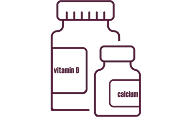
Take calcium and vitamin D supplements as directed by your doctor†

Set up an injection reminder for every 4 weeks

Do not stop taking BILPREVDA without speaking to your doctor‡

BILPREVDA comes in a vial with a vial stopper that is not made with natural rubber latex
Your doctor will need to test your blood calcium levels before you start and while you are taking BILPREVDA.
Your doctor will check if you are pregnant before starting BILPREVDA. Women should use highly effective birth control when taking BILPREVDA. Birth control should be taken for at least 5 months after your last dose of BILPREVDA.
Tell your doctor if you are pregnant, are planning a pregnancy, think you are pregnant, or are breastfeeding.
Not recommended for patients being treated for high calcium levels in the blood caused by cancer.
Stopping, skipping, or delaying BILPREVDA increases your risk of breaking bones in your spine.
Talk to your doctor about what to expect during treatment
BILPREVDA has the same most common side effects as XGEVA.

For people being treated for prevention of serious bone problems as a result of bone metastases from breast, prostate, or other solid tumors (cancer), or weak spots in the bone from multiple myeloma:
The most common side effects of denosumab were tiredness/weakness, low phosphate levels in the blood, and nausea. The most common serious side effect was shortness of breath. The most common side effects that led to the stopping of treatment were severe jawbone problems (osteonecrosis) and low calcium levels in the blood.
For people being treated for multiple myeloma:
The most common side effects of denosumab were diarrhea, nausea, low red blood cells, back pain, low blood platelets, swelling in the lower legs or hands, low calcium levels, a head cold or sore throat, rash, and headache. The most common serious side effect was pneumonia. The most common side effect that led to the stopping of treatment was severe jawbone problems (osteonecrosis).
For people being treated for giant cell tumor of bone:
The most common side effects of denosumab were joint pain, back pain, pain in the hands and feet, tiredness, headache, nausea, a head cold or sore throat, musculoskeletal pain, toothache, vomiting, low phosphate levels in the blood, constipation, diarrhea, and cough. The most common serious side effects were severe jawbone problems (osteonecrosis), bone giant cell tumor, low red blood cells, pneumonia, and back pain. The most common side effect that led to the stopping of treatment was severe jaw bone problems (osteonecrosis).
For people being treated for high calcium levels in the blood caused by cancer:
The most common side effects of denosumab were nausea, shortness of breath, decreased appetite, headache, swelling in the lower legs or hands, vomiting, low red blood cells, constipation, and diarrhea. Severe side effects included tiredness, infection, low magnesium, low potassium, and low phosphate levels in the blood.
BILPREVDA is not chemotherapy or other treatment for your cancer. BILPREVDA is not the same as BILDYOS® (denosumab-nxxp), which is used to treat other conditions. Do not take other products that contain denosumab while on BILPREVDA.
You are encouraged to report negative side effects of prescription drugs to the FDA. Visit or call 1-800-FDA-1088.
Possible serious side effects include:
Increased sensitivity
If a serious allergic reaction occurs, call your doctor or go to your nearest emergency room right away and stop BILPREVDA permanently. Do not take BILPREVDA if you have had a serious allergic reaction to denosumab or any medicine that contains it.
Increased risk of severe low calcium levels in your blood
You should take calcium and vitamin D as your doctor tells you to while receiving BILPREVDA.
Severe jawbone problems (osteonecrosis of the jaw)
It is important for you to practice good mouth care during treatment with BILPREVDA. Tell your dentist that you are receiving BILPREVDA. Avoid extensive dental work during treatment. Let your doctor know if you have pain that lasts longer than usual or slower healing after dental work. Ask your doctor or dentist about good mouth care if you have any questions.
Unusual thigh bone fractures
Call your doctor if you have new or unusual thigh, hip, or groin pain.
Risk of high calcium levels in the blood after stopping treatment for patients with giant cell tumor of bone or in patients with growing skeletons
Let your doctor know if you have symptoms like nausea, vomiting, headache, or confusion after stopping treatment.
Increased risk of broken bones in the spine after discontinuing BILPREVDA
If you have had a previous fracture or have osteoporosis, the risk is increased. Do not stop, skip, or delay taking BILPREVDA without first talking to your doctor.
Possible harm to your unborn baby
Let your healthcare provider know if you are pregnant or think you might be. If you are able to become pregnant, use effective birth control while receiving BILPREVDA—and keep using it for at least 5 months after your last dose.
Organon may be able to help you access BILPREVDA§
Get support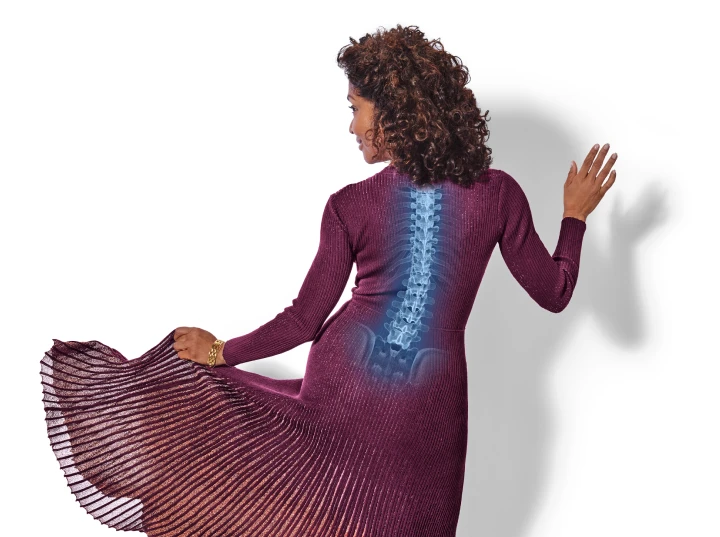
Cost savings may be available for eligible patients.